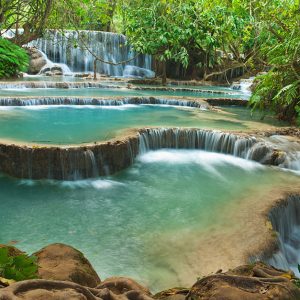
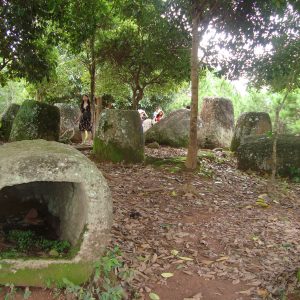
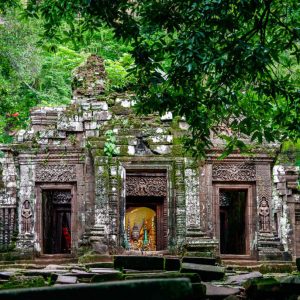
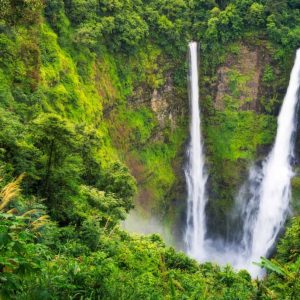
Northern Laos is increasingly accessible while still retaining its remote and authentic character. A combination of air, rail, river, and road transportation allows travelers to explore the region at different paces—from convenient modern travel to scenic slow journeys.
By Air
Luang Prabang is the primary air gateway to Northern Laos.
Luang Prabang International Airport offers:
- Direct international flights from key regional hubs
- Domestic connections to Vientiane and southern Laos
This makes Luang Prabang an ideal starting point for journeys throughout the north.
By High-Speed Train
The Lao–China Railway has transformed travel in Northern Laos, providing fast, comfortable, and reliable connections:
- Luang Prabang ↔ Vientiane
- Luang Prabang ↔ northern towns toward the China border
The train significantly reduces travel time and is well suited for both leisure travelers and multi-destination itineraries.
By River
River travel remains one of the most scenic and culturally immersive ways to experience Northern Laos:
- Mekong River cruises between Huay Xai and Luang Prabang
- Nam Ou River journeys connecting remote villages and towns
River transport offers a slower pace, dramatic landscapes, and access to areas unreachable by road.
By Road
Overland travel connects Luang Prabang with surrounding provinces such as Oudomxay, Phongsaly, and Nong Khiaw:
- Paved highways link major towns
- Mountain roads provide access to remote villages and trekking areas
- 4WD vehicles may be required in rural or mountainous regions
Road journeys are ideal for travelers seeking off-the-beaten-path experiences.
Getting Around Locally
Within towns and rural areas, transportation options include:
- Private vehicles with drivers
- Tuk-tuks and local taxis
- Boats for river crossings and village access
Local guides and drivers play an important role in ensuring smooth and safe travel in more remote areas.
In Summary
Northern Laos is accessible yet wonderfully unspoiled. With improved infrastructure—especially air and rail—combined with traditional river and road travel, the region offers both convenience and adventure, making it an essential part of any Laos itinerary.
Northern Laos is characterized by mountainous landscapes, cooler temperatures, and a more seasonal climate than the rest of the country. The region’s elevation and terrain make timing especially important, particularly for trekking, river travel, and visits to remote areas.
Dry Season: October – April (Best Overall Time)
The dry season is widely considered the best time to visit Northern Laos, offering comfortable weather and optimal travel conditions.
- Weather: Dry, cooler temperatures with low humidity
- Temperatures:
- November–February: Cool to mild, especially in the mountains
- March–April: Warmer but still dry
- Travel Conditions: Excellent road access, clear river routes, and ideal trekking conditions
This period is perfect for exploring cultural sites in Luang Prabang, cruising along the Mekong and Nam Ou rivers, trekking through ethnic villages, and enjoying scenic mountain viewpoints.
Peak Travel Months: November – February
These months offer the most pleasant climate:
- Cool mornings and evenings
- Clear skies for photography and sightseeing
- Ideal conditions for outdoor activities and cultural exploration
This is also the busiest period, especially around festivals and holidays, so early planning is recommended.
Hot Season: March – April
As the dry season progresses, temperatures begin to rise:
- Days can be hot, particularly in valleys
- Higher elevations remain more comfortable
Despite the heat, this period is still suitable for travel, especially for river journeys and cultural tours. It also coincides with Lao New Year (Pi Mai Lao) in April, a festive and culturally rich time to visit.
Green (Rainy) Season: May – September
The green season transforms Northern Laos into a lush, vibrant landscape:
- Weather: Regular rainfall, usually in short afternoon showers
- Landscape: Forests, rice fields, and rivers are at their most scenic
- Crowds: Fewer visitors, offering a quieter travel experience
While some remote roads and trekking routes may be affected by rain, this season is rewarding for travelers who value nature, photography, and off-the-beaten-path experiences.
Seasonal Travel Tips
- Trekking & Outdoor Activities: Best from November to March
- River Cruises: October to April offers the most reliable conditions
- Cultural Exploration: Possible year-round, best during the dry season
- Photography & Nature: Green season provides dramatic scenery and light
Summary
Northern Laos is best visited between October and April, when dry weather and cooler temperatures allow for comfortable exploration of its mountains, rivers, and cultural heritage. However, each season has its own appeal, and travelers seeking lush landscapes and fewer crowds may find the green season equally rewarding.
Northern Laos offers a diverse range of accommodation options that reflect the region’s character—authentic, scenic, and culturally rich. From heritage boutique hotels to eco-lodges and community-based stays, accommodation here emphasizes location, atmosphere, and meaningful experiences rather than mass tourism.
Luxury & Boutique Hotels
Northern Laos is best known for its small-scale luxury and boutique properties, particularly in heritage destinations.
In places such as Luang Prabang, travelers can find:
-
Elegant boutique hotels housed in restored colonial or traditional Lao buildings
-
Riverside resorts offering privacy, refined service, and scenic views
-
Personalized experiences such as private dining, spa treatments, and curated excursions
These properties focus on cultural authenticity, design, and high-quality service rather than large resort complexes.
Mid-Range Hotels & Guesthouses
Across towns such as Nong Khiaw, Muang Ngoi, and Oudomxay, mid-range accommodation provides excellent value and comfort.
Typical features include:
-
Comfortable rooms with modern amenities
-
Family-run guesthouses with warm local hospitality
-
Convenient locations near town centers, rivers, or viewpoints
This category suits most travelers, offering a balance between comfort, affordability, and local character.
Eco-Lodges & Nature Retreats
Northern Laos is particularly strong in eco-lodges and nature-based accommodation, often located in remote or scenic settings.
These properties typically offer:
-
Lodges set in mountains, forests, or along rivers
-
Sustainable design and community involvement
-
Guided nature activities such as trekking, kayaking, and village visits
Eco-lodges are ideal for travelers seeking immersion in nature and responsible tourism experiences.
Community-Based & Homestay Experiences
For travelers looking for deeper cultural connection, community-based accommodation and homestays are available in selected villages.
These stays provide:
-
Simple but clean accommodation
-
Authentic insight into daily life, traditions, and local cuisine
-
Direct economic benefits to local communities
Homestays are best suited for culturally curious travelers and those participating in trekking or rural exploration programs.
Budget Accommodation
Budget options are widely available in main towns and transport hubs:
-
Simple guesthouses and hostels
-
Basic facilities with clean rooms and friendly service
-
Ideal for backpackers and independent travelers
While modest, these accommodations often offer strong local character and personal interaction.
What to Expect Overall
-
Emphasis on boutique scale and authenticity rather than large resorts
-
Strong connection to nature, culture, and local communities
-
High service quality in premium properties; simplicity and warmth elsewhere
Summary
Accommodation in Northern Laos caters to a wide range of travelers—from luxury seekers to adventure lovers and cultural explorers. While large international hotel chains are limited, the region excels in boutique hotels, eco-lodges, and community-based stays that enhance the overall travel experience and reflect the true spirit of Northern Laos.