Vientiane, the capital city of Laos, is often described as one of the most relaxed capitals in Southeast Asia. Set along the banks of the Mekong River and facing Thailand, Vientiane blends colonial-era charm, Buddhist heritage, and a laid-back riverside lifestyle that surprises and delights first-time visitors.
For travelers, Vientiane offers an accessible introduction to Laos’ culture, history, and daily life. For travel companies, it is a strategic gateway destination—ideal as an arrival point, cultural stop, or short stay within broader Laos itineraries.
Why Vientiane Is a Must-See Destination
While smaller and quieter than neighboring capitals such as Bangkok or Hanoi, Vientiane’s appeal lies in its human scale and authenticity. The city allows visitors to explore at an unhurried pace while still offering meaningful cultural experiences.
Key reasons to visit Vientiane:
- Home to Laos’ most important national monuments
- A showcase of Lao Buddhism, history, and identity
- Easy access, with the country’s main international airport
- Excellent dining, café culture, and riverside atmosphere
Vientiane is not about iconic skylines—it is about understanding Laos.
Key Attractions & Cultural Highlights
National Landmarks
Vientiane is home to several of the country’s most significant sites:
- That Luang, the national symbol of Laos and its most sacred stupa
- Patuxai (Victory Monument), offering city views and historical context
- Wat Sisaket, famous for its thousands of Buddha images
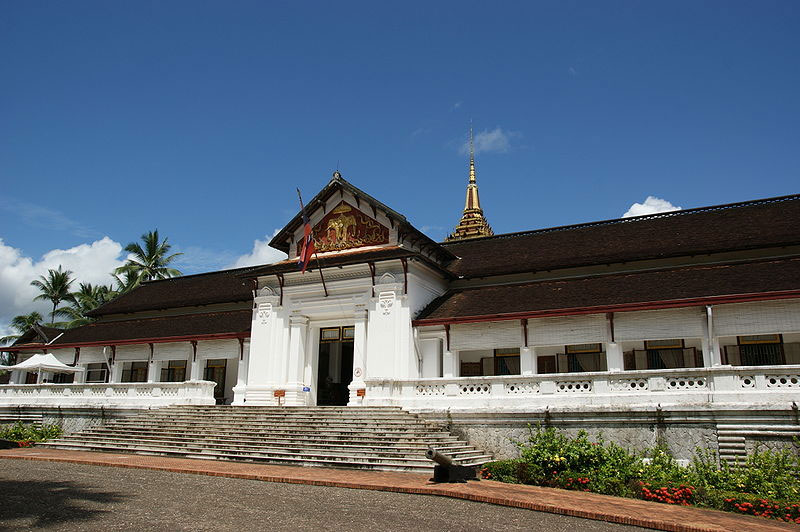
- Wat Phra Kaew, once home to the Emerald Buddha
These landmarks make Vientiane essential for travelers interested in Lao history and religion.
Local Life & Urban Culture
Beyond monuments, Vientiane reveals everyday Lao life:
- Morning markets and food stalls
- French colonial buildings and leafy boulevards
- A relaxed café culture with strong French influence
- Riverside promenades along the Mekong
This balance of culture and lifestyle appeals strongly to Western visitors.
Food, Dining & Nightlife
Vientiane is one of the best places in Laos to explore Lao cuisine:
- Traditional dishes such as laap, khao piak sen, and tam mak hoong
- International restaurants and contemporary Lao fusion dining
- Casual bars and cafés, especially along the Mekong at sunset
Nightlife is low-key and social, rather than party-focused—ideal for most cultural travelers.
Accommodation & Travel Style
Vientiane offers the widest range of accommodation in Laos, making it suitable for many client profiles:
- International-standard hotels
- Boutique and heritage-style properties
- Comfortable mid-range hotels and guesthouses
This variety makes Vientiane ideal for:
- First and last nights in Laos
- Short cultural stays
- Business and leisure travel combinations
Access & Transportation
Vientiane is the main entry point to Laos:
- Wattay International Airport with regional connections
- Lao–China high-speed railway, linking Vientiane to Luang Prabang and northern Laos
- Overland border crossing to Thailand via the Friendship Bridge
Its connectivity makes Vientiane a natural hub for itinerary planning.
Best Time to Visit
- Best season: October to February (cool, dry, pleasant sightseeing)
- Hot season: March to May (hot but manageable with relaxed pacing)
- Green season: June to September (lush scenery, occasional rain)
Vientiane is a year-round destination, especially suitable for short stays.
Who Vientiane Is Ideal For
Vientiane suits:
- First-time visitors to Laos
- Cultural and historical travelers
- Mature travelers and families
- Business travelers extending leisure stays
- Clients preferring calm, non-hectic cities
Less suitable for:
- Party-focused travelers
- Clients seeking large-scale urban attractions
How Travel Companies Should Position Vientiane
For tour consultants, Vientiane should be positioned as:
- The cultural and logistical gateway to Laos
- A short but meaningful cultural stop (1–3 nights)
- An excellent introduction before heading north or south
It works best as:
- Arrival or departure city
- A cultural prelude to Luang Prabang
- A transition point between regions
Recommended Length of Stay
- 1 night: Transit or arrival/departure stop
- 2 nights: Core cultural highlights
- 3 nights: Relaxed pace with dining and local life
Encourage clients not to skip Vientiane—it adds important context to the rest of their journey.
Operational Notes for Consultants
- City tours are best done with a guide for cultural context
- Combine temples with markets and food experiences
- Avoid overselling nightlife or shopping
- Position Vientiane as calm, cultural, and welcoming
Setting the right expectations ensures high client satisfaction.
Conclusion
Vientiane may not overwhelm visitors—but it quietly wins them over. Its blend of history, spirituality, colonial charm, and everyday Lao life makes it an essential stop for anyone wishing to understand the country beyond its landscapes.
For travelers, Vientiane offers insight, comfort, and cultural depth.
For travel companies, it provides accessibility, flexibility, and strong itinerary value.
Any well-designed journey through Laos is enhanced by time spent in Vientiane.