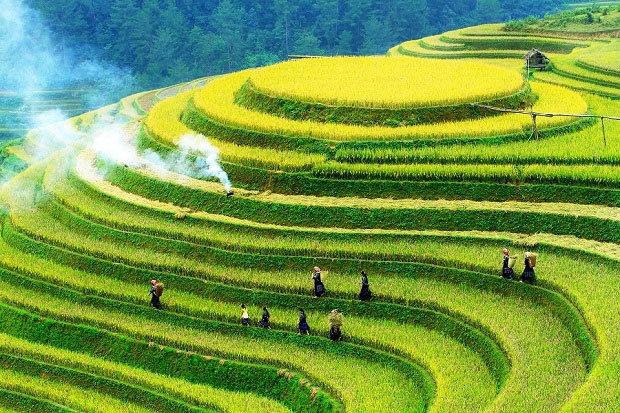
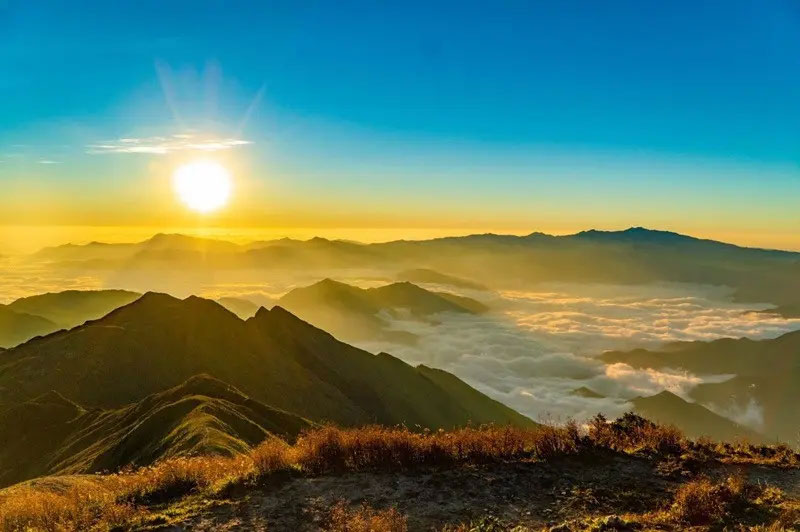
The Far North of Laos is one of Southeast Asia’s least-explored and most authentic regions. Stretching along the borders with China, Myanmar, and Vietnam, this remote area offers dramatic mountain scenery, extraordinary ethnic diversity, and deeply traditional ways of life that have changed little over generations.
For Western travelers, the Far North represents true off-the-beaten-path exploration. For travel companies, it is a specialist destination—ideal for adventure travel, community-based tourism, and experiential journeys that go beyond classic Laos itineraries.
Why the Far North of Laos Is Unique
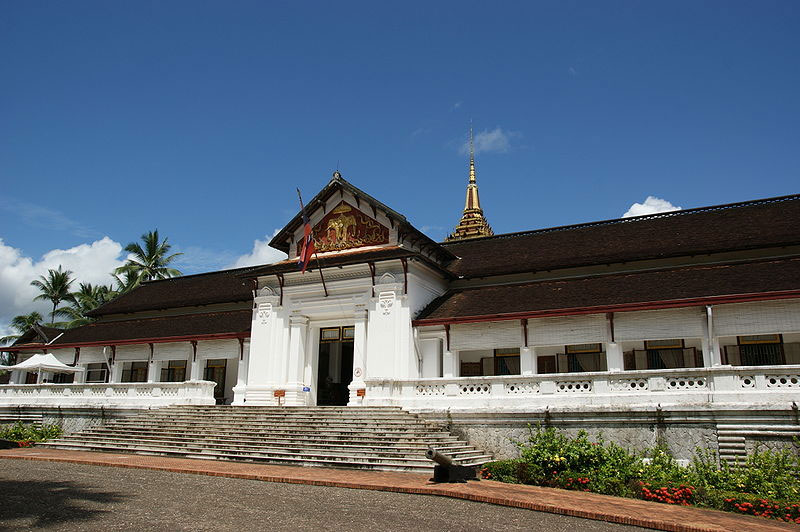
Unlike the cultural elegance of Luang Prabang or the relaxed charm of Southern Laos, the Far North is defined by:
- Rugged mountains and winding river valleys
- Isolated villages rarely visited by mass tourism
- A rich mosaic of ethnic minority cultures
- A frontier atmosphere shaped by geography and history
This is a region for travelers who seek authenticity, discovery, and meaningful interaction, rather than comfort or convenience.
Geography & Key Areas
The Far North generally includes provinces such as:
- Luang Namtha – hub for trekking and eco-tourism
- Phongsaly – remote highlands and tea-growing regions
- Oudomxay (Muang Xay) – key transit point and ethnic crossroads
- Bokeo (remote districts) – borderlands and Mekong access
Travel companies often treat the Far North as a thematic region, rather than focusing on a single city.
Key Experiences in the Far North
Ethnic Culture & Village Life
The Far North is home to some of Laos’ most diverse ethnic populations, including Akha, Hmong, Yao, Khmu, Tai Lue, Lanten, and many others.
Visitors may experience:
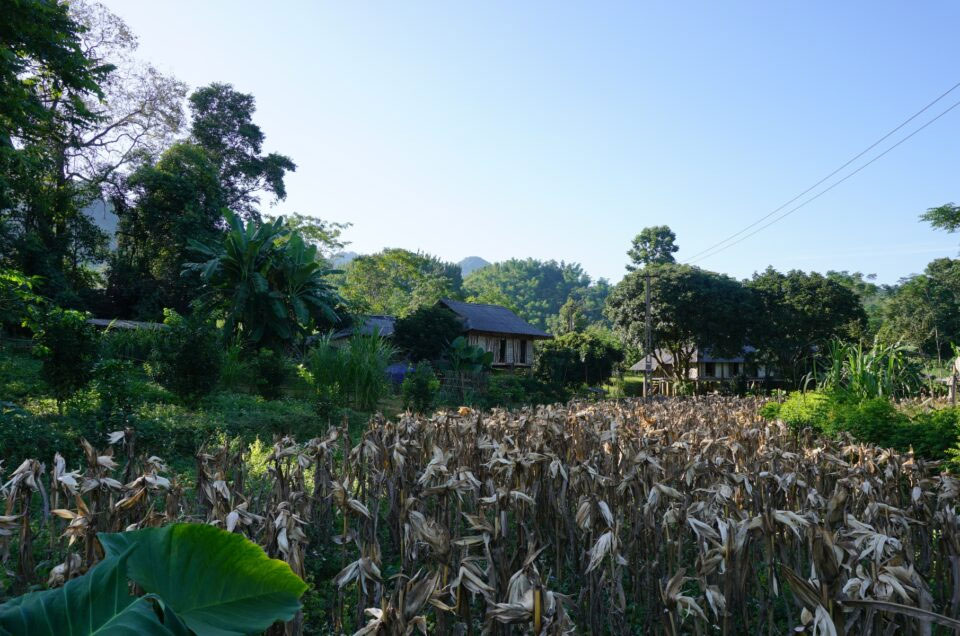
- Guided village visits and homestays
- Traditional farming, weaving, and daily rituals
- Markets where ethnic groups gather in traditional dress
These encounters are most meaningful when organized through responsible, community-based tourism programs.
Trekking & Outdoor Adventure
The region offers some of the best trekking in Laos, with routes ranging from gentle village walks to multi-day mountain hikes.
Activities include:
- Jungle trekking and hill walks
- River rafting and kayaking
- Cycling through rural landscapes
- Exploration of tea plantations and highland farms
Guided trekking is essential due to terrain, remoteness, and cultural sensitivity.
Nature & Landscapes
Travelers are rewarded with:
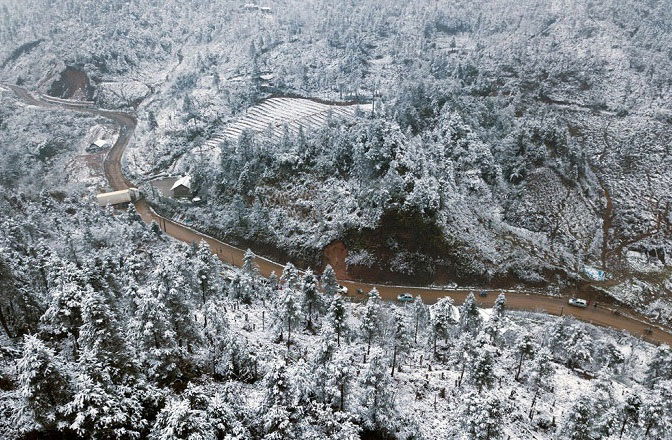
- Forested mountains and deep valleys
- Mist-covered hills and scenic viewpoints
- Rivers such as the Mekong, Nam Ou, and Nam Tha
- Protected areas with rich biodiversity
The Far North remains one of the least developed regions in Laos, offering landscapes largely untouched by modern tourism.
Accommodation & Travel Style
Accommodation in the Far North reflects the region’s character:
- Simple hotels in provincial towns
- Eco-lodges and community-based lodgings
- Village homestays during trekking programs
Luxury accommodation is extremely limited. Travel companies must clearly communicate expectations, positioning the region as experience-focused rather than comfort-driven.
Access & Transportation
Reaching the Far North requires patience and planning:
- Overland travel via mountain roads
- Connections via the Laos–China railway to key hubs, followed by road transfers
- Limited domestic flights in some areas
Road journeys can be long but scenic. Consultants should frame transportation as part of the adventure.
Best Time to Visit
- Best season: November to February (cool, dry, ideal for trekking)
- Shoulder season: October and March (good conditions, fewer travelers)
- Green season: May to September (lush scenery, but rain may affect roads and trails)
Seasonality plays a critical role in itinerary planning and client satisfaction.
Who the Far North Is Best For
This region is ideal for:
- Adventure and trekking enthusiasts
- Experienced travelers and repeat visitors to Southeast Asia
- Cultural explorers and photographers
- Small-group and private tours
- Responsible tourism clients
Less suitable for:
- Luxury-only travelers
- Clients with limited mobility
- Short-stay or first-time Southeast Asia travelers
How Travel Companies Should Position the Far North
For tour consultants, the Far North should be presented as:
- A specialist destination requiring good preparation
- A highlight for travelers seeking authenticity
- Best combined with Luang Prabang or Northern Laos routes
It works best as:
- A 3–7 night regional experience
- A trekking or cultural extension
- Part of overland, multi-country journeys
Operational Notes for Consultants
- Use licensed local guides with regional expertise
- Brief clients thoroughly on accommodation, transport, and conditions
- Emphasize cultural respect and responsible travel behavior
- Build flexible itineraries to account for weather and road conditions
Proper expectation-setting is critical for success in this region.
Conclusion
The Far North of Laos is one of the country’s last true frontiers. It offers raw beauty, cultural depth, and authentic encounters that few destinations in Southeast Asia can match.
For travelers, it is a journey of discovery and connection.
For travel companies, it adds depth, distinction, and authenticity to Laos programs.
This is not a destination for everyone—but for the right traveler, the Far North of Laos delivers unforgettable and deeply rewarding experiences.