Situated at the confluence of the Mekong and Xe Don rivers, Pakse is the main urban hub of Southern Laos and the natural gateway to some of the country’s most spectacular landscapes and heritage sites. While Pakse itself is a modest, working town, its strategic location makes it an essential stop for travelers exploring the Bolaven Plateau, Wat Phou, and the 4,000 Islands.
For tourists, Pakse offers orientation, local life, and access to Southern Laos’ highlights. For travel companies, it is a logistical anchor around which well-balanced southern itineraries are built.
Why Visit Pakse
Pakse is not a classic sightseeing city. Its value lies in:
- Easy access to Southern Laos’ key attractions
- Authentic local atmosphere
- A relaxed pace of life along the Mekong
- Good transport connections and services
Travelers who understand Pakse’s role appreciate it as a gateway rather than a standalone highlight.
Town Highlights & Local Life
Within Pakse, visitors can enjoy:
- Riverside walks along the Mekong
- Local markets showcasing southern Lao produce
- Simple cafés and restaurants offering Lao and international food
- Sunset views from the Lao–Japan Bridge
The town provides a genuine glimpse into everyday life in Southern Laos.
Key Experiences Around Pakse
Wat Phou & Champasak
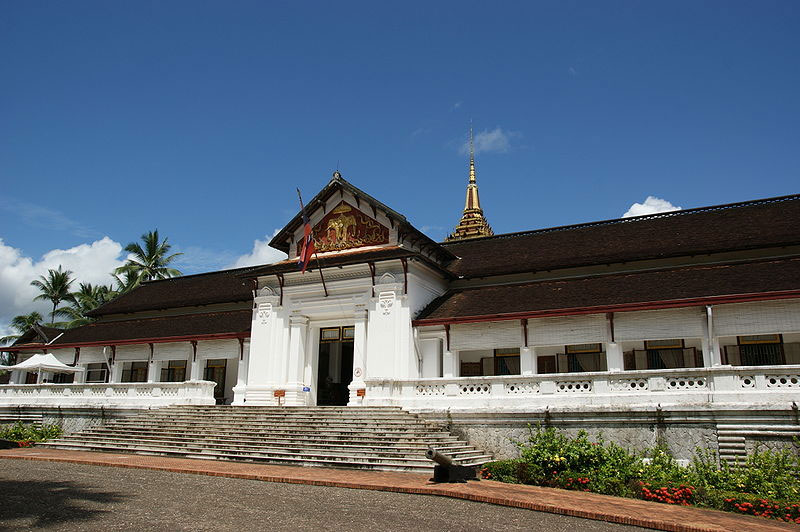
Just south of Pakse lies Wat Phou, a UNESCO World Heritage Site and one of Southeast Asia’s most important pre-Angkorian temple complexes. The nearby town of Champasak adds colonial charm and riverside tranquility.
Bolaven Plateau
East of Pakse, the Bolaven Plateau offers:
- Cool-climate highlands
- Spectacular waterfalls such as Tad Fane and Tad Yuang
- Coffee and tea plantations
- Ethnic minority villages
This region is ideal for nature lovers and soft adventure travelers.
Si Phan Don (4,000 Islands)
Further south, the Mekong widens into the tranquil 4,000 Islands, where visitors can:
- Experience slow island life
- Enjoy river scenery and relaxation
- Explore waterfalls and local villages
Pakse is the main access point to this iconic destination.
Accommodation & Travel Style
Pakse offers a solid range of accommodation:
- Comfortable mid-range hotels
- Boutique riverside properties
- Budget-friendly guesthouses
Luxury options are limited, but Pakse works well as a functional and comfortable base for exploring the region.
Access & Transportation
Pakse is Southern Laos’ main transport hub:
- Pakse International Airport with regional connections
- Overland routes to Thailand and Cambodia
- Road access to the Bolaven Plateau and 4,000 Islands
Its connectivity makes Pakse essential for itinerary flow.
Best Time to Visit
- Best season: November to February (cooler, dry, ideal conditions)
- Hot season: March to May (hot but manageable)
- Green season: June to October (lush scenery, fewer visitors)
The green season enhances waterfalls and landscapes.
Who Pakse Is Best For
Pakse is ideal for:
- Travelers exploring Southern Laos
- Cultural and nature-focused itineraries
- Overland and multi-country journeys
- Tour groups and private tours
Less suitable for:
- Travelers seeking vibrant city life
- Luxury-focused urban stays
How Travel Companies Should Position Pakse
For tour consultants, Pakse should be presented as:
- The gateway to Southern Laos
- A practical base rather than a sightseeing-heavy city
- A key connection point for regional exploration
It works best as:
- 1–2 night stay
- Arrival or departure point
- Hub for southern excursions
Operational Notes for Consultants
- Combine Pakse with surrounding highlights
- Avoid overselling city attractions
- Use Pakse for logistics and smooth transitions
- Brief clients on its role within the itinerary
Clear positioning ensures realistic expectations.
Conclusion
Pakse may not command attention with grand landmarks, but it plays a vital role in unlocking Southern Laos’ most memorable experiences. From ancient temples and misty highlands to river islands and waterfalls, Pakse is the starting point for discovery.
For travelers, it offers access and authenticity.
For travel companies, it provides efficiency, flexibility, and structure.
Any journey through Southern Laos begins—or ends—in Pakse.